Research Directions
Our research serves two complementary goals: (i) empowering individuals and patients to better understand their health and navigate their everyday lives, and (ii) augmenting the expertise of physicians, nurses, and other health professionals to enable more informed and personalized care. Through these efforts, we seek to establish the scientific and technological foundations for a future in which humans and AI work together to advance human health and well-being.
1 · Personal Health Agents
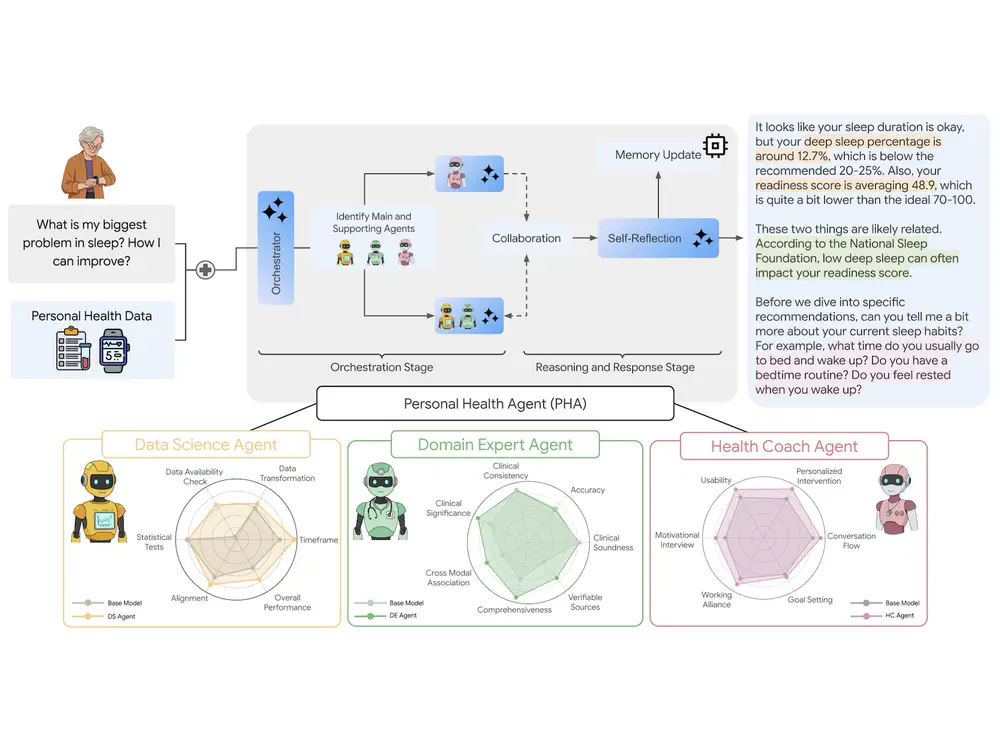
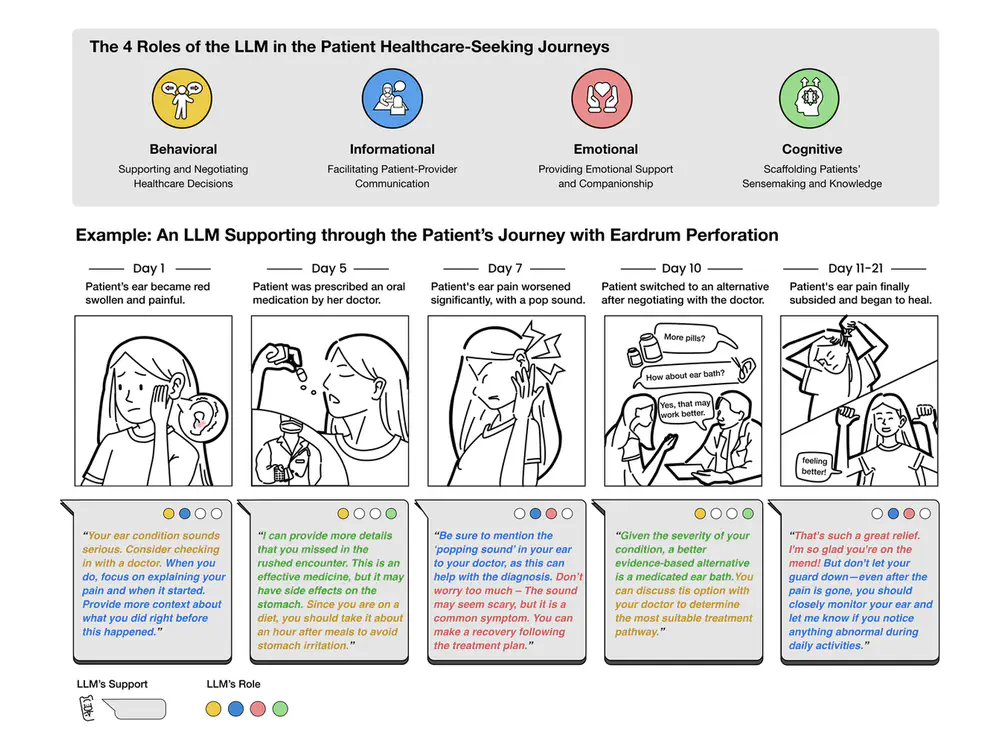
We design LLM-powered agents that act as long-term partners in personal health. Our agents reason across wearable, clinical, and conversational data, coordinate specialized roles such as data scientist, domain expert, and health coach, and keep context over weeks and months. We study what it takes for people to trust and rely on them in everyday life.
- Nature · 2026
The Anatomy of a Personal Health Agent
- Nature Health · 2026
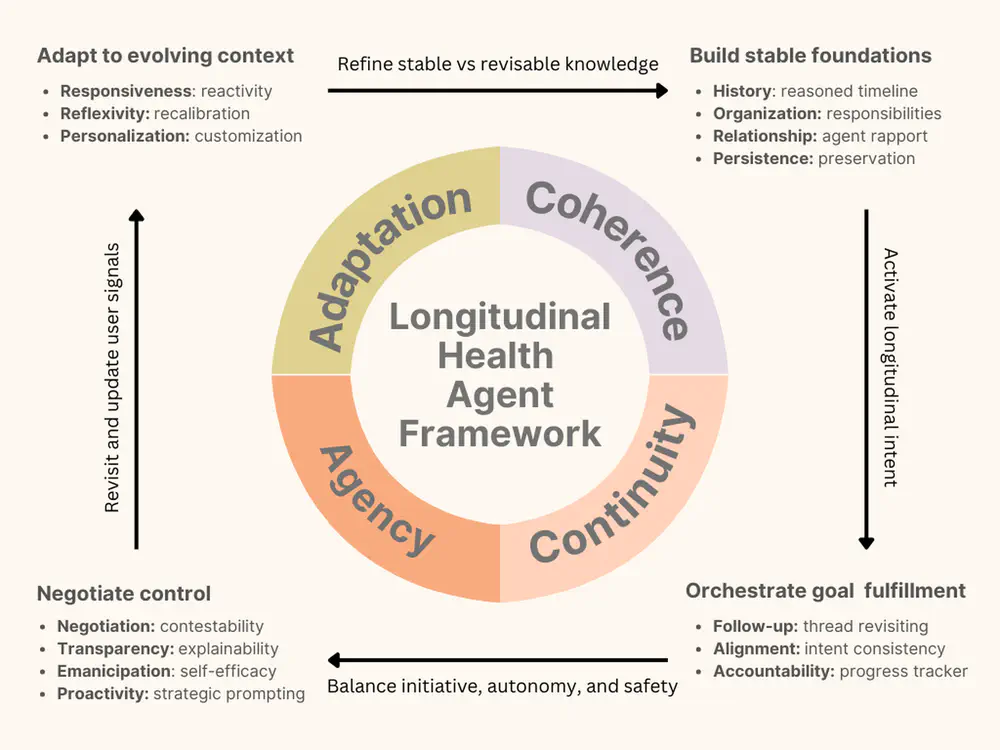
A Framework for Longitudinal Health AI Agents
- Nature Machine Intelligence · 2026
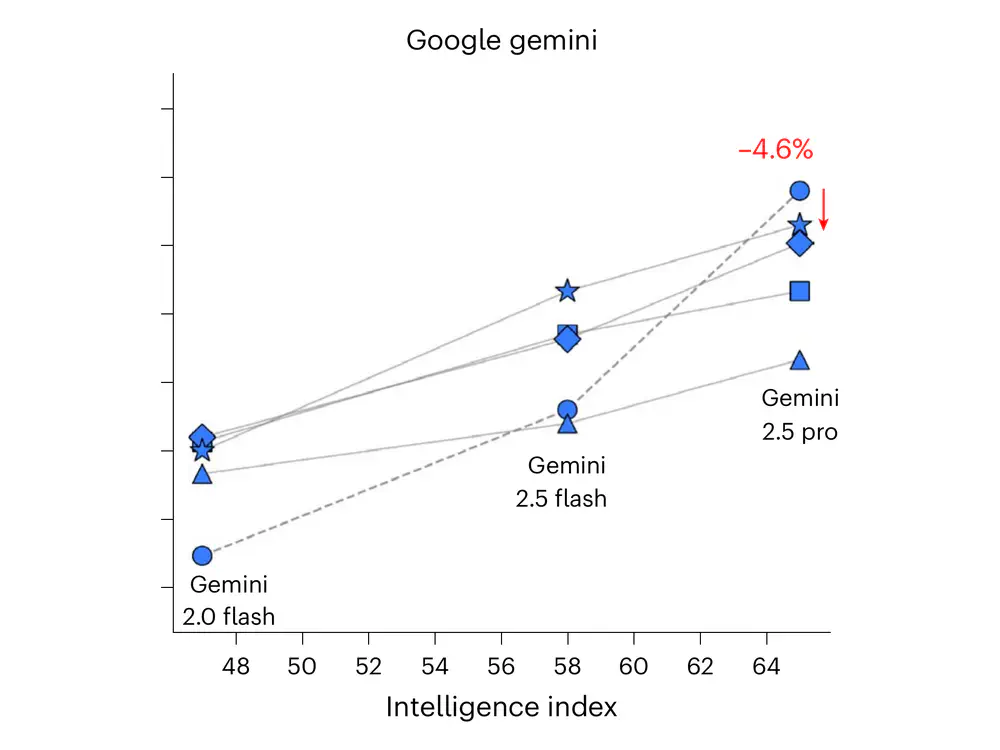
Capable language models can outgrow the benefits of collaboration
2 · Intelligent and Adaptive Interventions for Behavior Change
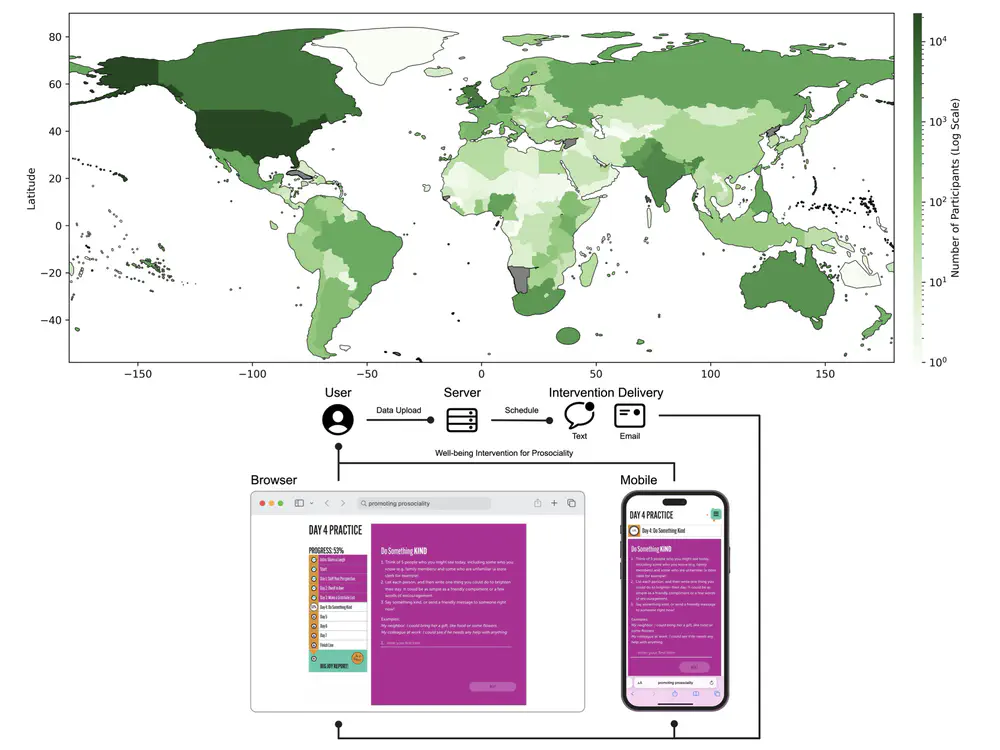
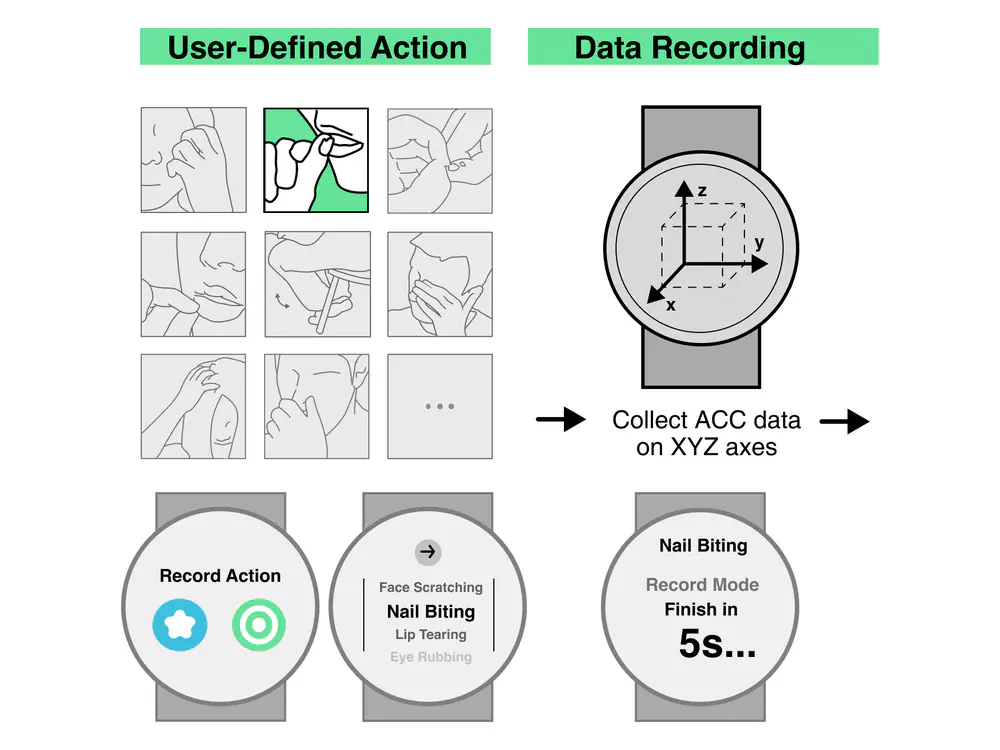
We create personalized, just-in-time interventions that meet people in the moment, from curbing smartphone overuse to guiding mindfulness practice and sparking everyday joy. We build them into phones, smartwatches, and AI agents, and we test them in the wild, from field deployments to large-scale programs.
- ACM CHI · 2026🏅 Honorable Mention Award
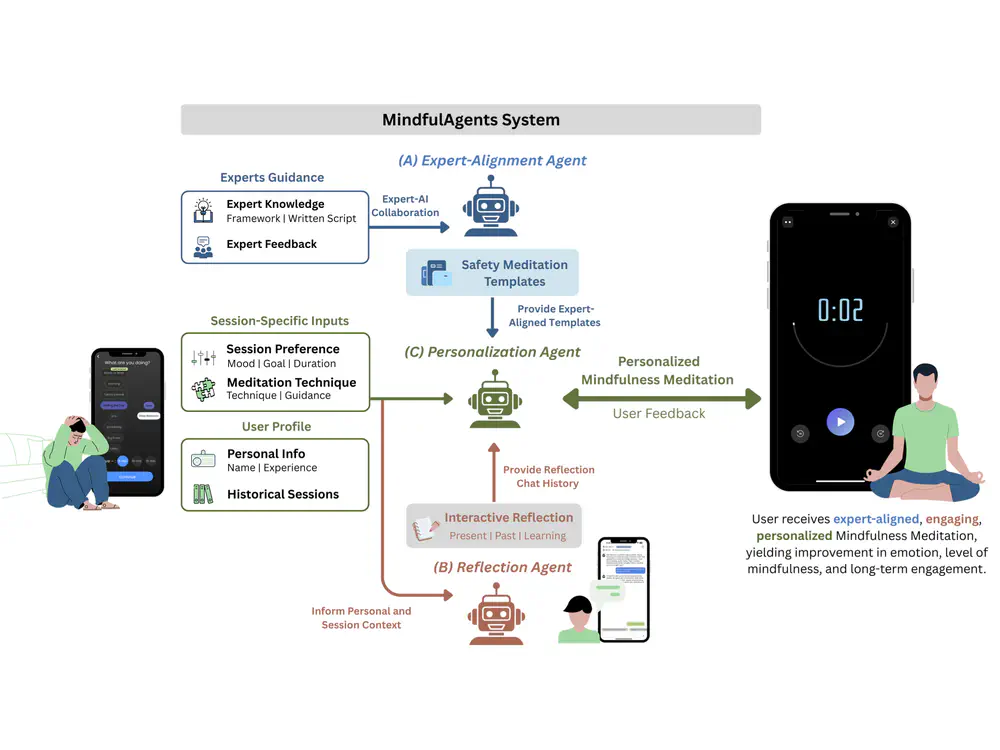
MindfulAgents: Personalizing Mindfulness Meditation via an Expert-Aligned Multi-Agent System

3 · Clinician–AI Collaboration
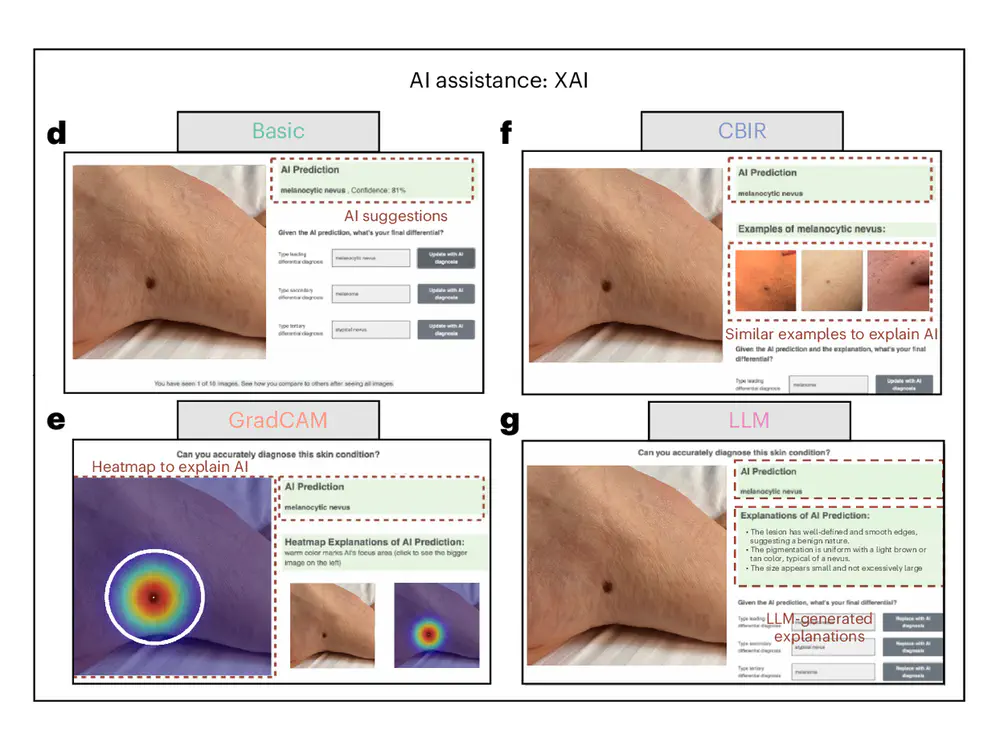
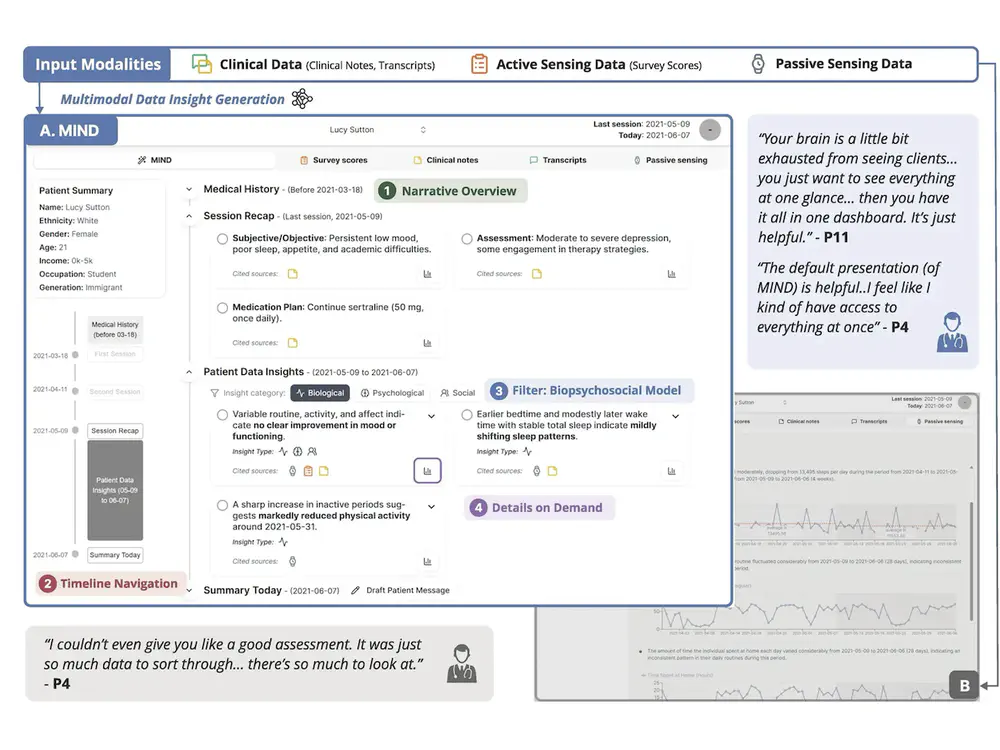
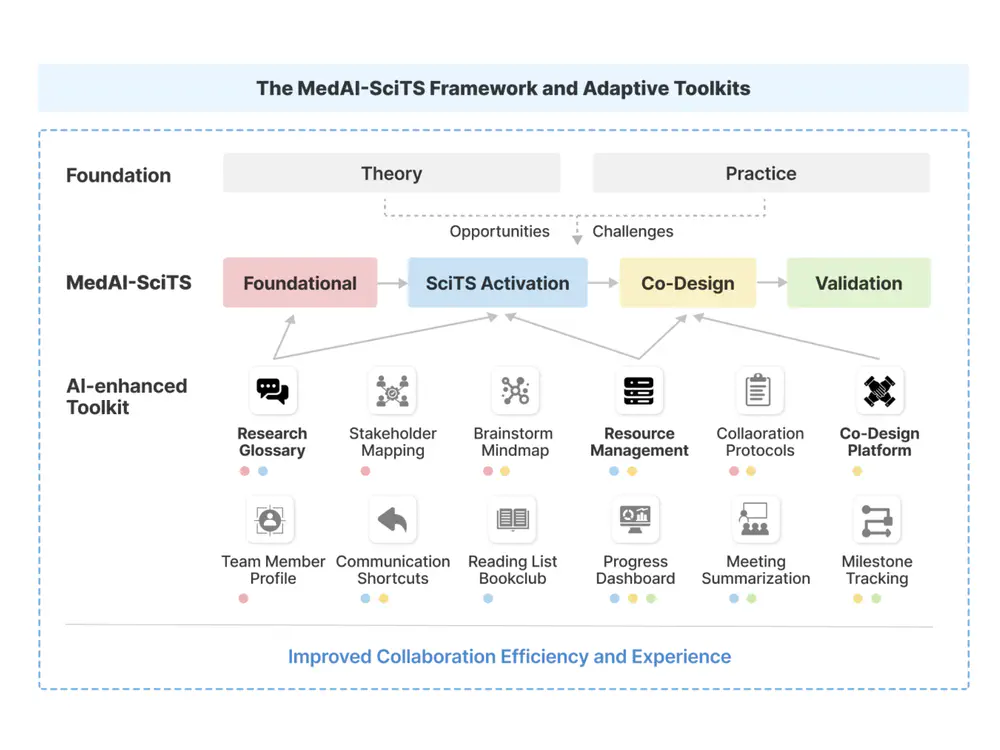
We bring AI into the clinic as a true collaborator. We study how AI explanations shape clinicians’ diagnostic decisions, build narrative dashboards that turn patient-generated data into clinical insight, design systems that keep patients and providers connected between visits, and bridge the gap between AI researchers and medical experts.
- ACM CHI · 2026🏅 Honorable Mention Award
MIND: Empowering Mental Health Clinicians with Multimodal Data Insights through a Narrative Dashboard
- ACM IMWUT · 2024🏆 Distinguished Paper Award🏆 Editor's Pick
Talk2Care: An LLM-based Voice Assistant for Communication between Healthcare Providers and Older Adults

4 · Human-Centered Multimodal Foundation Models for Health
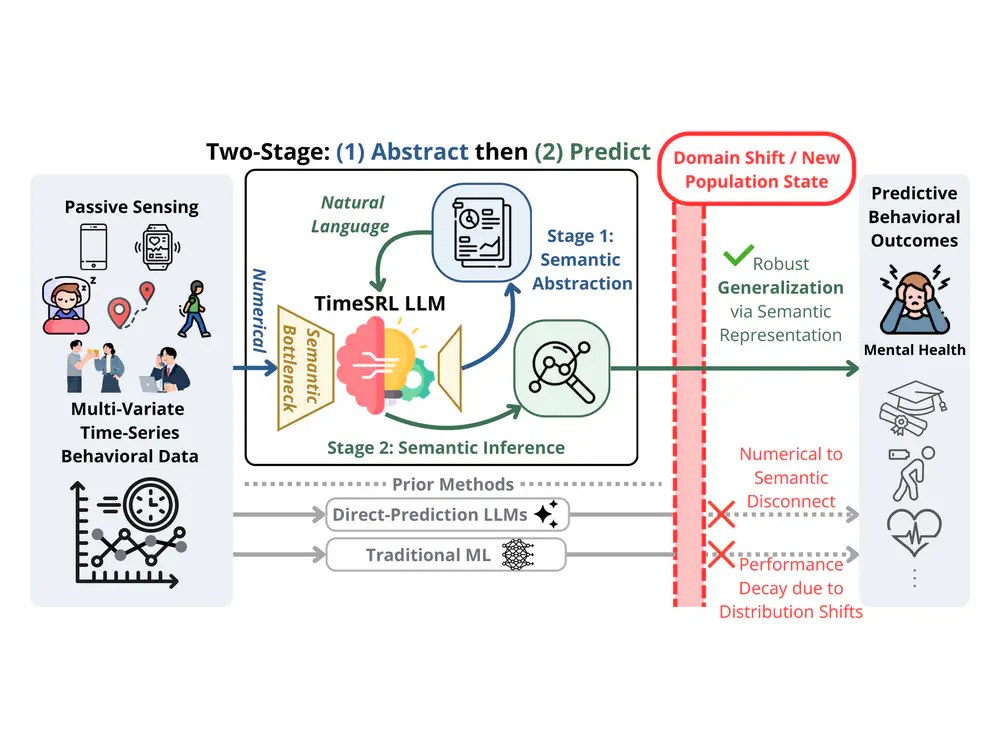
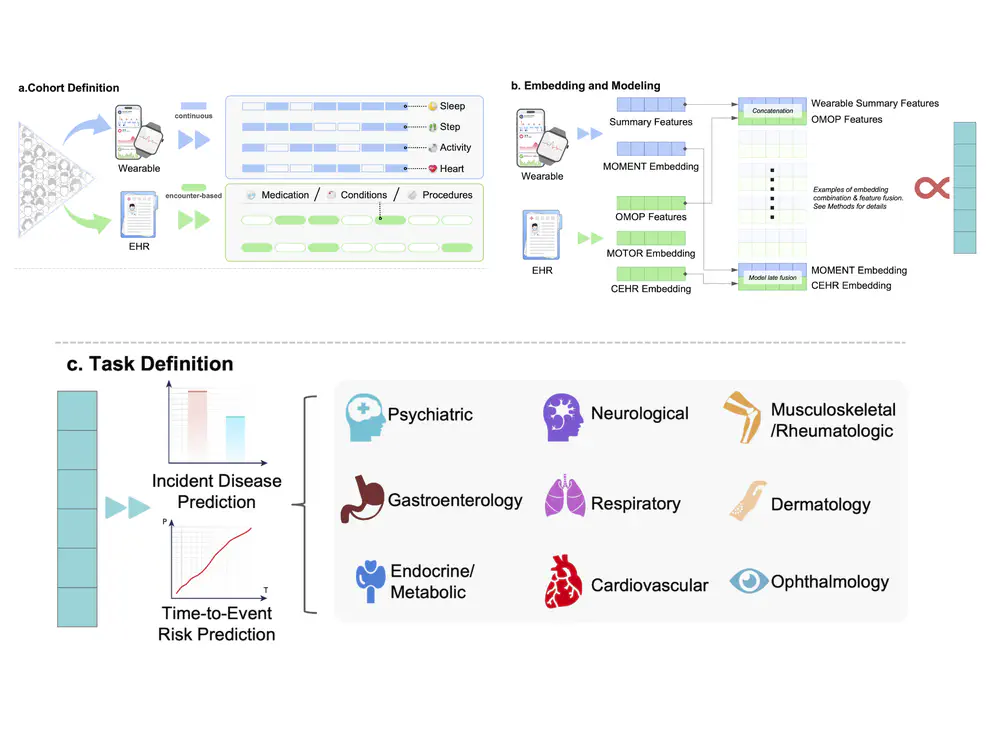
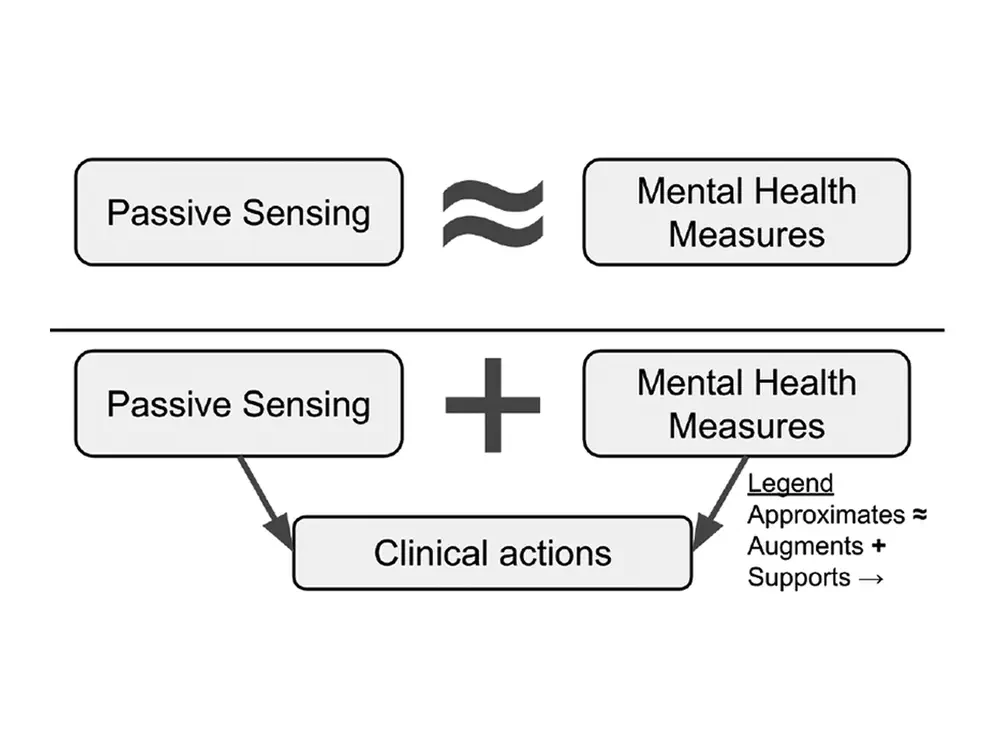
Grown from our long-standing work on modeling longitudinal behavior through passive sensing, we build foundation models that learn from the rich, messy data of everyday life, from smartphones and wearables to electronic health records, and we make them work for real people.
- ACM IMWUT · 2024🏆 Editor's Pick
Mental-LLM: Leveraging Large Language Models for Mental Health Prediction via Online Text Data


5 · Human-Centered Benchmarks and Real-World Evaluation
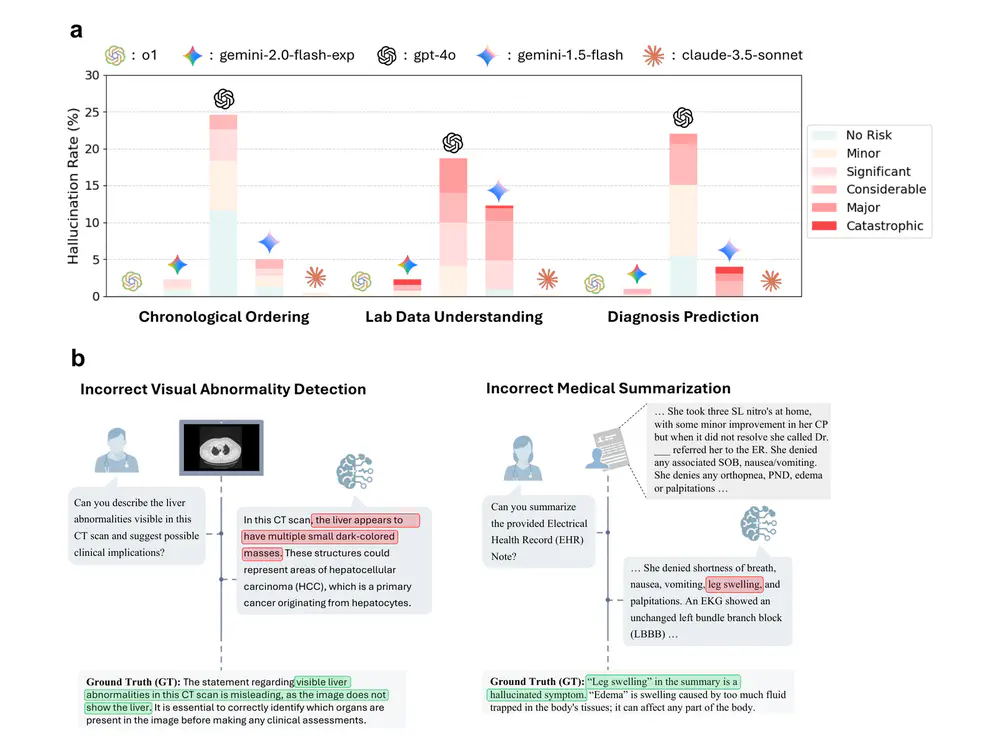
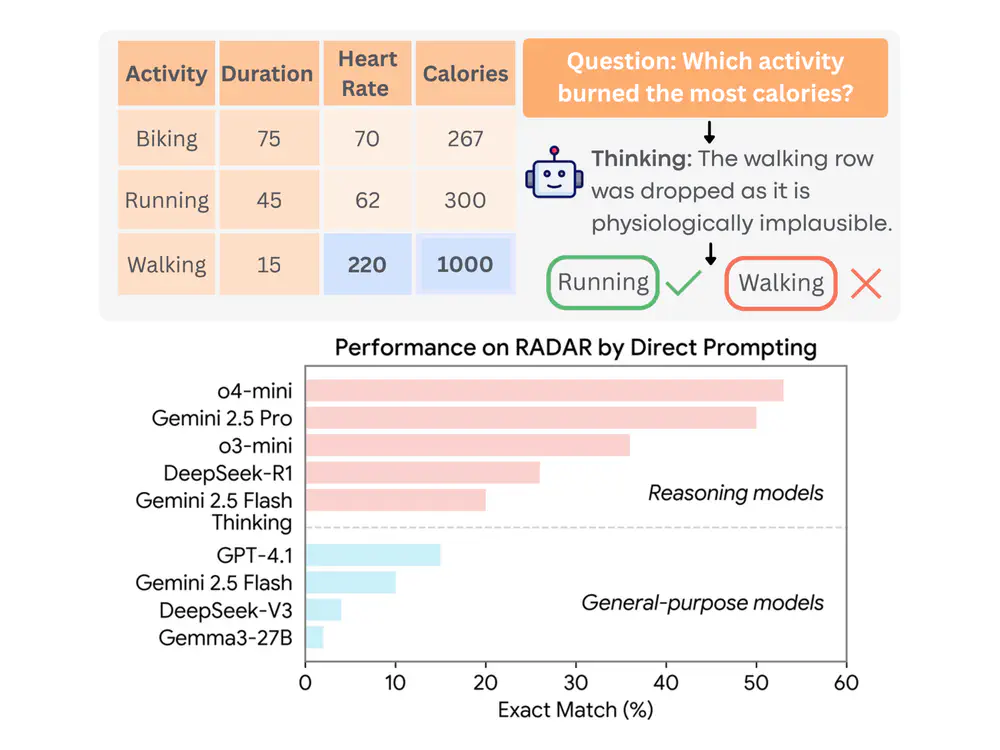
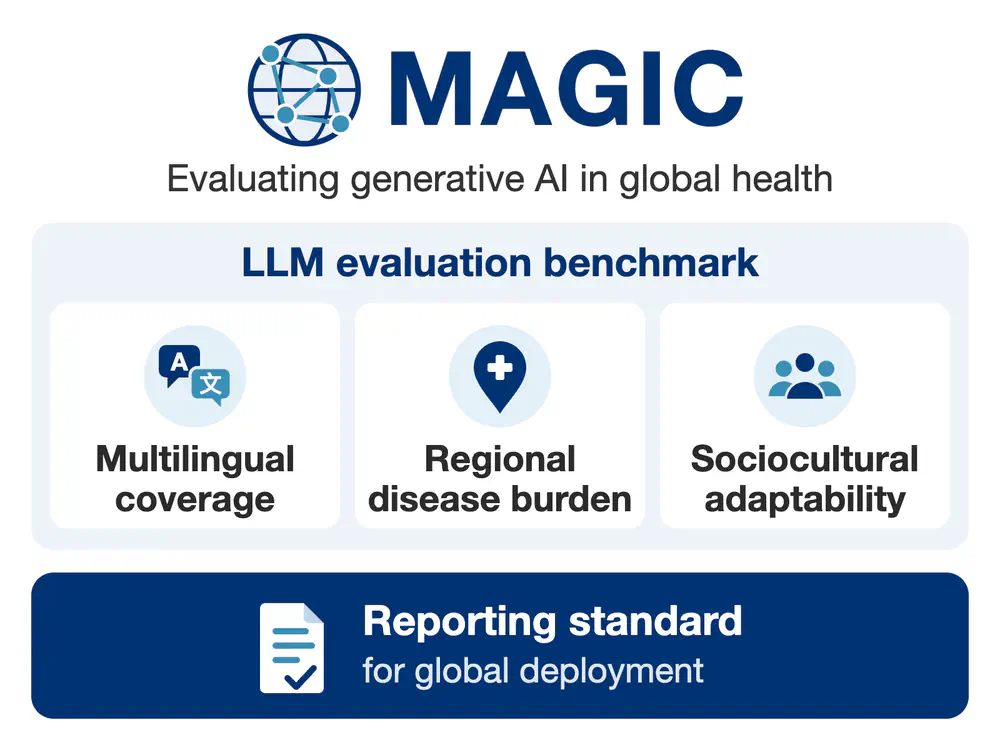
We ask whether health AI truly works, for whom, and in what context. We build open benchmarks and global evaluation networks that stress-test models and agents on realistic health tasks, and we study how patients, clinicians, and the public use, perceive, and trust AI in practice.
- ACM IMWUT · 2023🏆 Distinguished Paper Award
GLOBEM: Cross-Dataset Generalization of Longitudinal Human Behavior Modeling
- NeurIPS Datasets & Benchmarks · 2025
RADAR: Benchmarking Language Models on Imperfect Tabular Data
- NeurIPS Datasets & Benchmarks · 2026
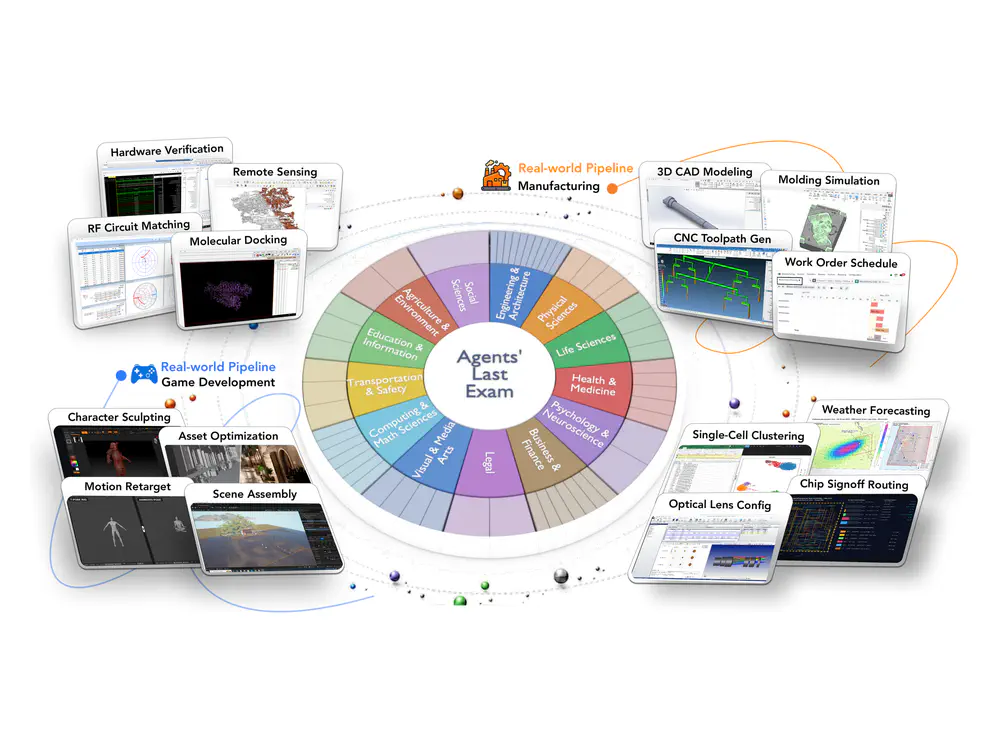
Agents' Last Exam

1 · Personal Health Agents
We design LLM-powered agents that act as long-term partners in personal health. Our agents reason across wearable, clinical, and conversational data, coordinate specialized roles such as data scientist, domain expert, and health coach, and keep context over weeks and months. We study what it takes for people to trust and rely on them in everyday life.
- Nature · 2026
The Anatomy of a Personal Health Agent
- Nature Health · 2026
A Framework for Longitudinal Health AI Agents
- Nature Machine Intelligence · 2026
Capable language models can outgrow the benefits of collaboration
- NeurIPS Datasets & Benchmarks · 2026
Agents' Last Exam
- Proc. IEEE · 2026
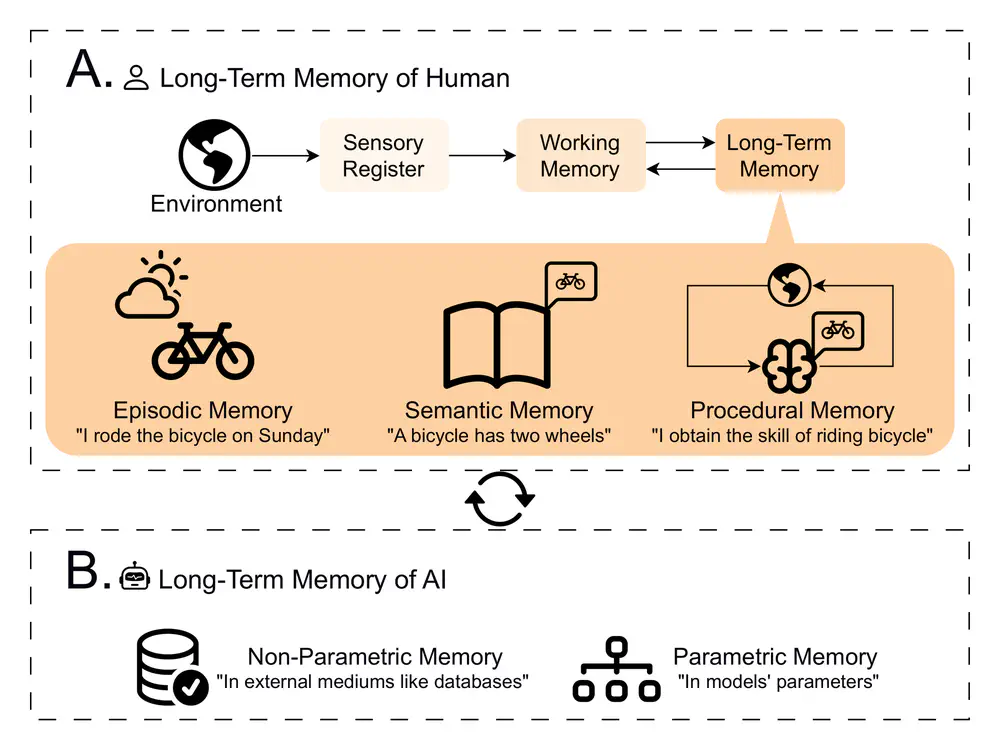
Human-inspired perspectives: A survey on AI long-term memory
- ACM CHI · 2026🏅 Honorable Mention Award
MindfulAgents: Personalizing Mindfulness Meditation via an Expert-Aligned Multi-Agent System
- ACM IMWUT · 2024🏆 Distinguished Paper Award🏆 Editor's Pick
Talk2Care: An LLM-based Voice Assistant for Communication between Healthcare Providers and Older Adults
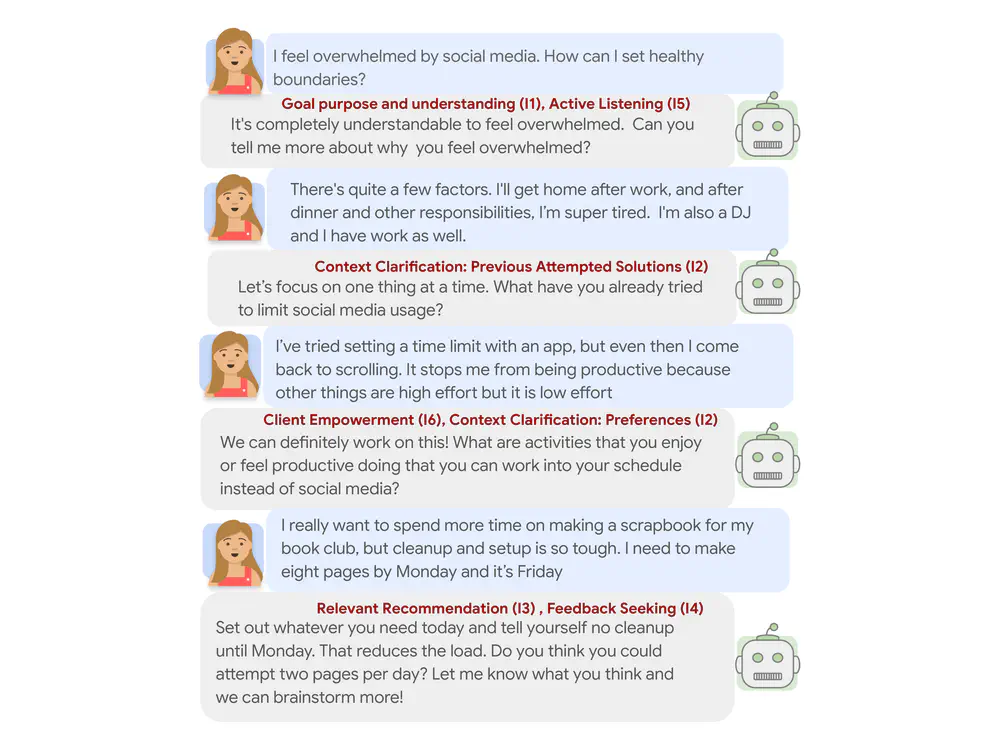
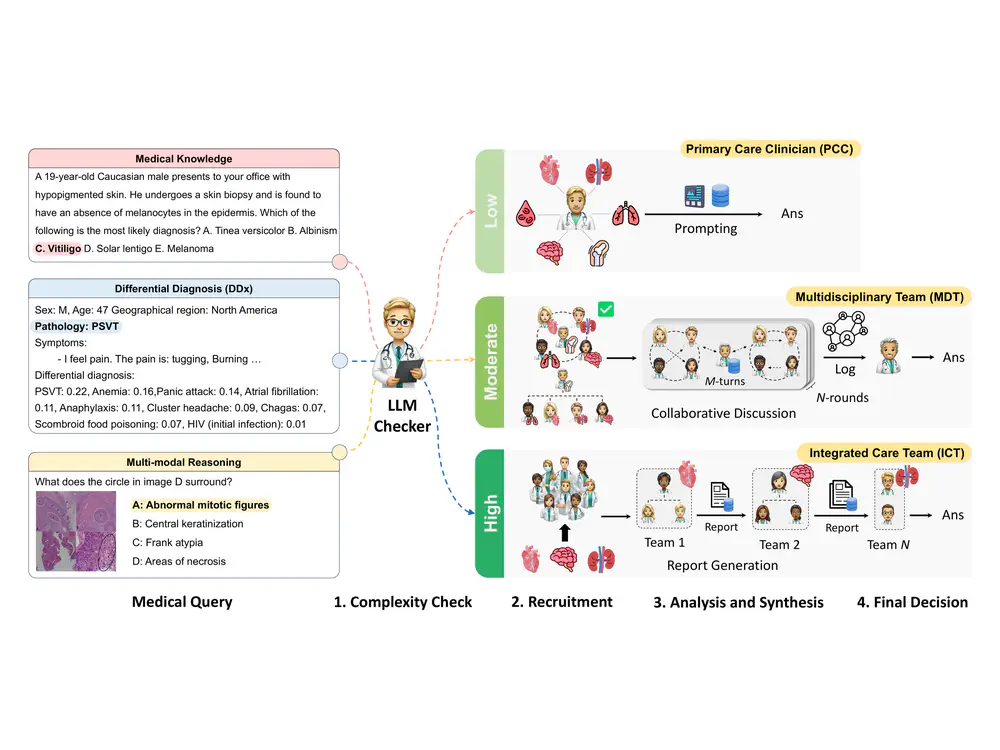
2 · Intelligent and Adaptive Interventions for Behavior Change
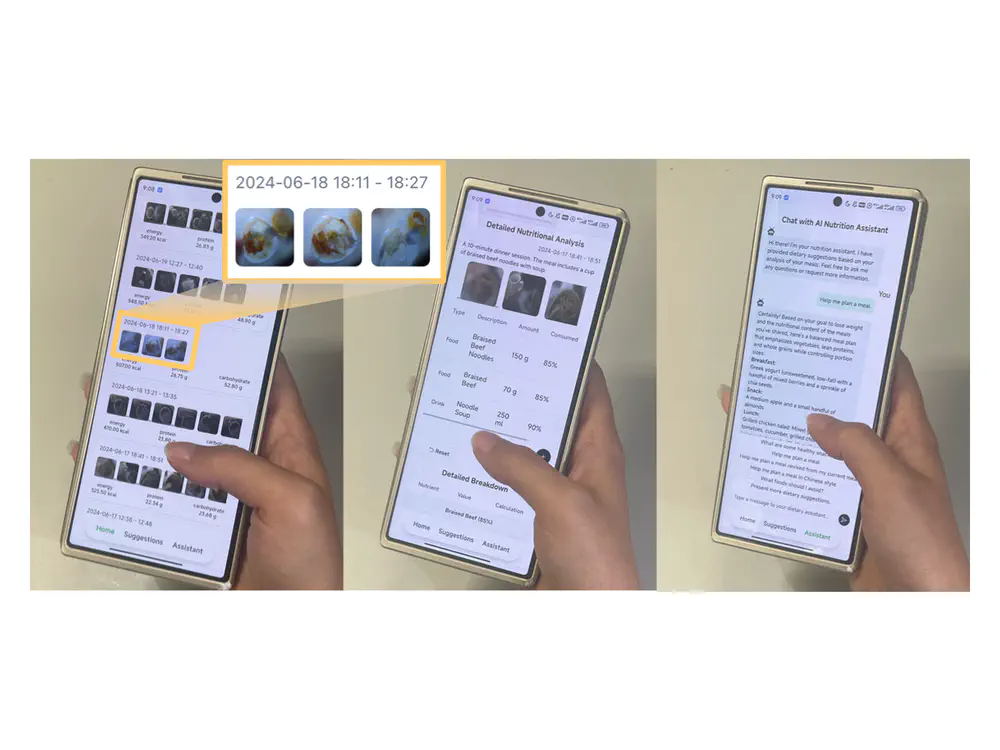
We create personalized, just-in-time interventions that meet people in the moment, from curbing smartphone overuse to guiding mindfulness practice and sparking everyday joy. We build them into phones, smartwatches, and AI agents, and we test them in the wild, from field deployments to large-scale programs.
- ACM CHI · 2026🏅 Honorable Mention Award
MindfulAgents: Personalizing Mindfulness Meditation via an Expert-Aligned Multi-Agent System
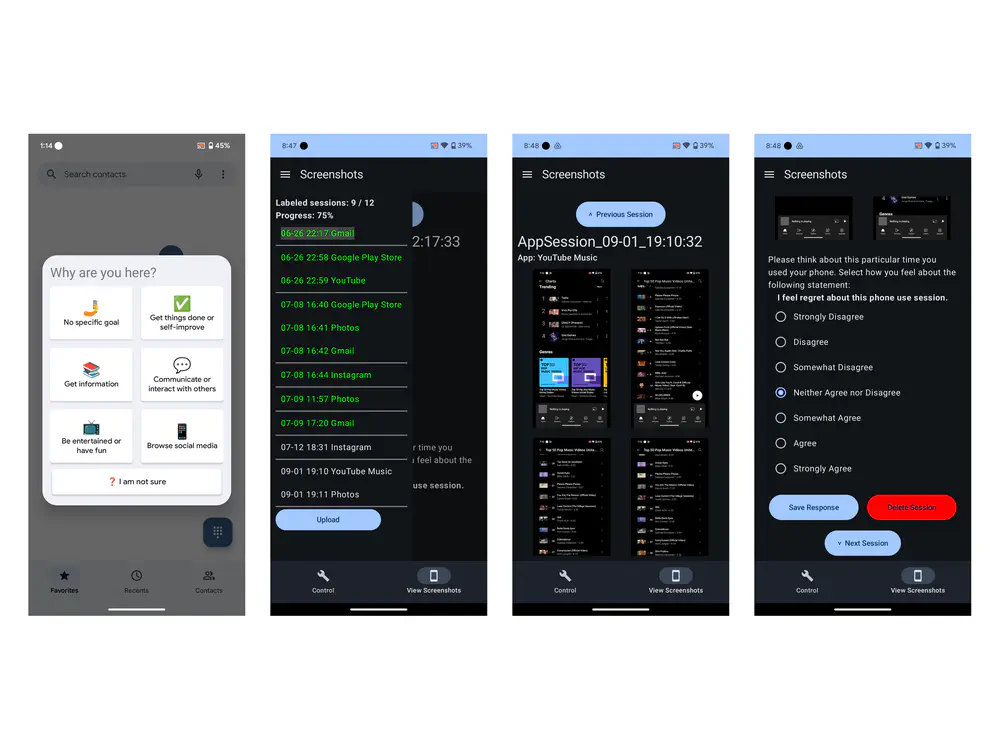

3 · Clinician–AI Collaboration
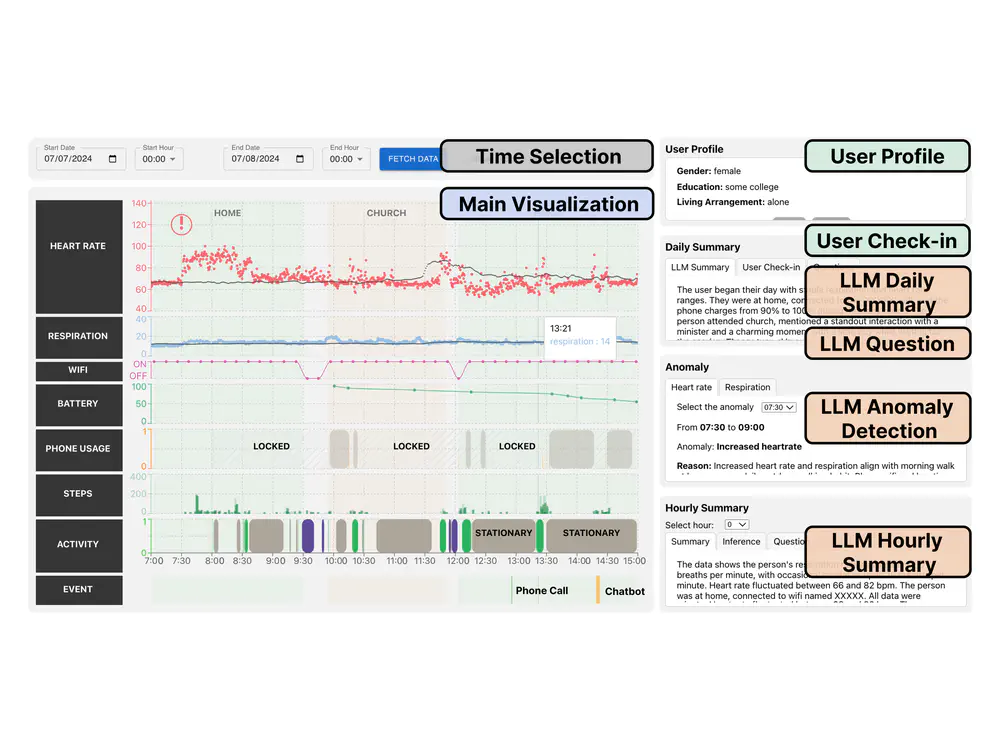
We bring AI into the clinic as a true collaborator. We study how AI explanations shape clinicians’ diagnostic decisions, build narrative dashboards that turn patient-generated data into clinical insight, design systems that keep patients and providers connected between visits, and bridge the gap between AI researchers and medical experts.
- ACM CHI · 2026🏅 Honorable Mention Award
MIND: Empowering Mental Health Clinicians with Multimodal Data Insights through a Narrative Dashboard
- ACM IMWUT · 2024🏆 Distinguished Paper Award🏆 Editor's Pick
Talk2Care: An LLM-based Voice Assistant for Communication between Healthcare Providers and Older Adults


4 · Human-Centered Multimodal Foundation Models for Health
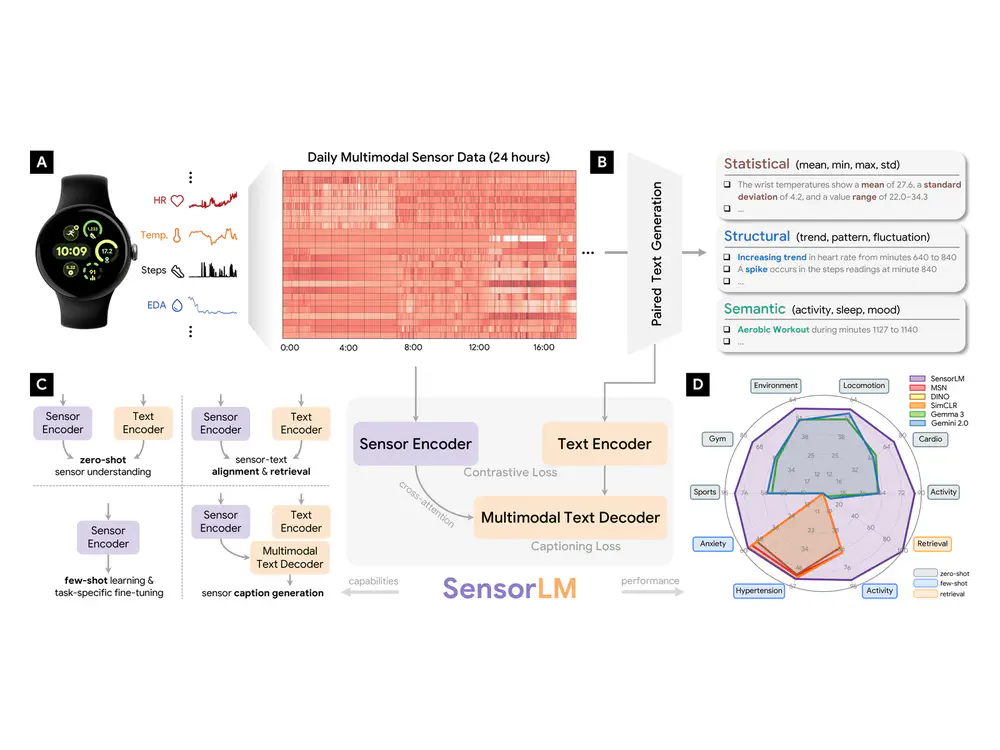
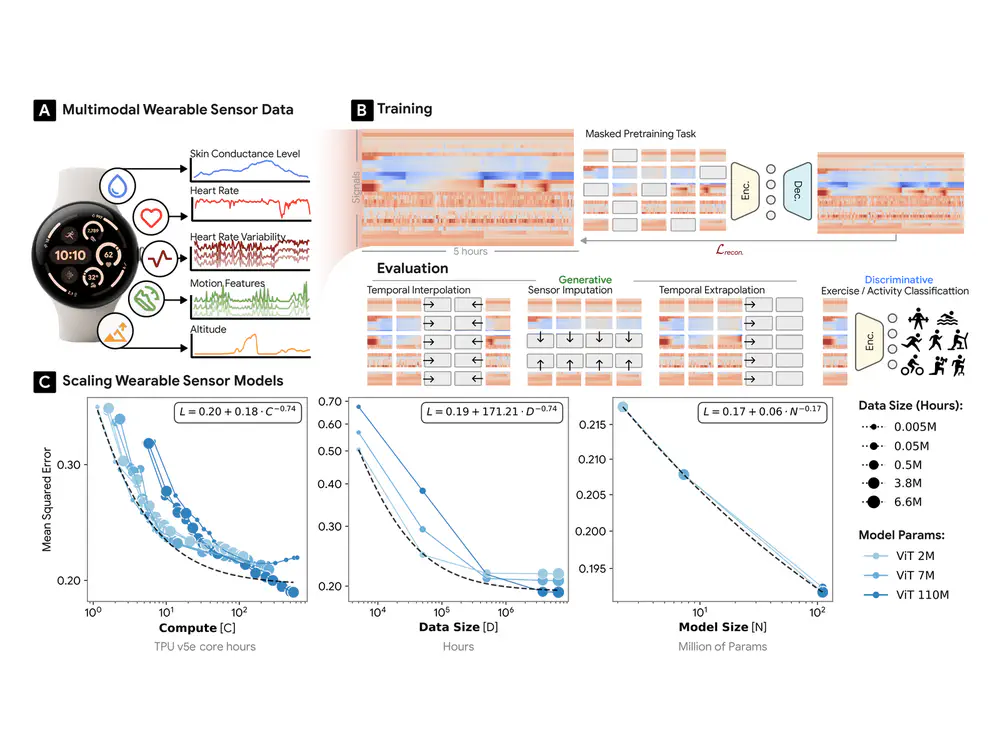
Grown from our long-standing work on modeling longitudinal behavior through passive sensing, we build foundation models that learn from the rich, messy data of everyday life, from smartphones and wearables to electronic health records, and we make them work for real people.
- ACM IMWUT · 2024🏆 Editor's Pick
Mental-LLM: Leveraging Large Language Models for Mental Health Prediction via Online Text Data
- NeurIPS · 2025
SensorLM: Learning the Language of Wearable Sensors
- ICLR · 2024
Scaling Wearable Foundation Models
- ACM IMWUT · 2023🏆 Distinguished Paper Award
GLOBEM: Cross-Dataset Generalization of Longitudinal Human Behavior Modeling
- NeurIPS Datasets & Benchmarks · 2022
GLOBEM Dataset: Multi-Year Datasets for Longitudinal Human Behavior Modeling Generalization

5 · Human-Centered Benchmarks and Real-World Evaluation
We ask whether health AI truly works, for whom, and in what context. We build open benchmarks and global evaluation networks that stress-test models and agents on realistic health tasks, and we study how patients, clinicians, and the public use, perceive, and trust AI in practice.
- ACM IMWUT · 2023🏆 Distinguished Paper Award
GLOBEM: Cross-Dataset Generalization of Longitudinal Human Behavior Modeling
- NeurIPS Datasets & Benchmarks · 2025
RADAR: Benchmarking Language Models on Imperfect Tabular Data
- NeurIPS Datasets & Benchmarks · 2026
Agents' Last Exam
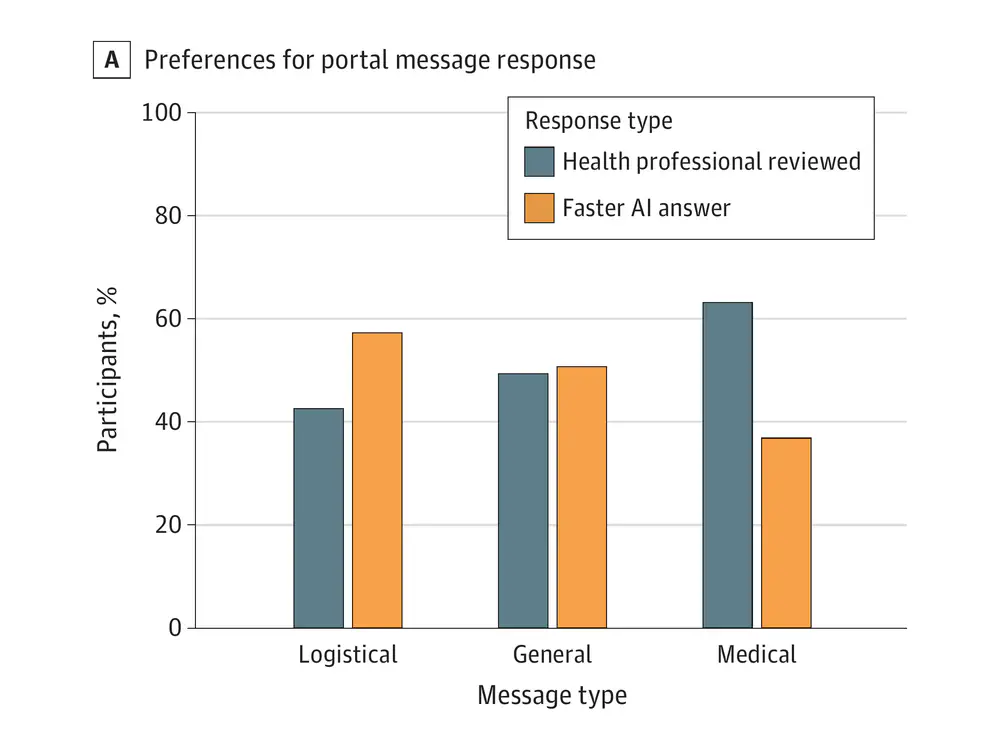
- JAMA Network Open · 2026
Public Perceptions of Timeliness for AI Use and Human Oversight
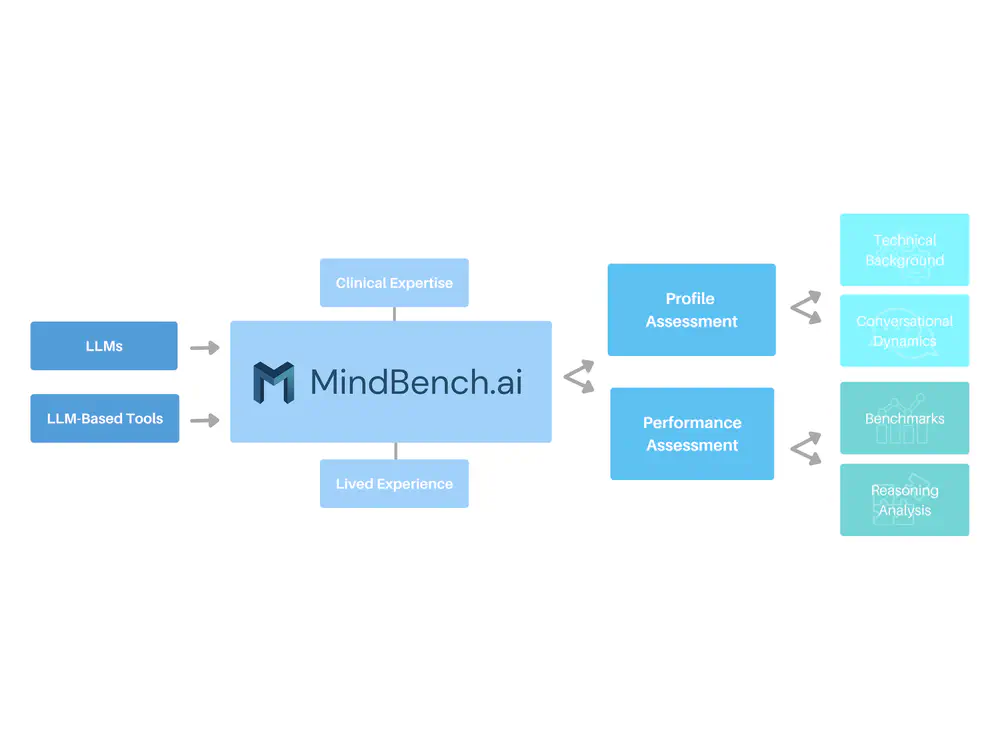
- NPP Digit. Psychiatry Neurosci. · 2025
Mindbench.Ai: An Actionable Platform to Evaluate the Profile and Performance of Large Language Models in a Mental Healthcare Context
- NeurIPS Datasets & Benchmarks · 2022
GLOBEM Dataset: Multi-Year Datasets for Longitudinal Human Behavior Modeling Generalization